
Nerve Recovery After Facelift: Can Vitamins and Supplements Help?
The overwhelming majority of postoperative nerve weakness is neuropraxia—a temporary conduction block rather than a severed nerve. The key message is that time is the primary treatment, but there are several things that may support nerve recovery while the nerve heals naturally. The key word is support, not repair.
One of the most frightening complications after facial cosmetic surgery is temporary weakness of a facial muscle. Fortunately, in experienced hands, permanent facial nerve injury is extremely uncommon. When weakness does occur, it is most often caused by neuropraxia—a temporary interruption of nerve conduction caused by stretching, swelling, or manipulation during surgery. The good news is that these nerves usually recover.
The difficult part is that nerve healing happens slowly. Unlike skin, which heals in weeks, nerves often require weeks to several months before function gradually returns.
Patients frequently ask if there is anything they can do to speed recovery. Although no supplement has been proven to regenerate facial nerves after cosmetic surgery, several nutrients have scientific evidence suggesting they support normal nerve health and cellular metabolism.
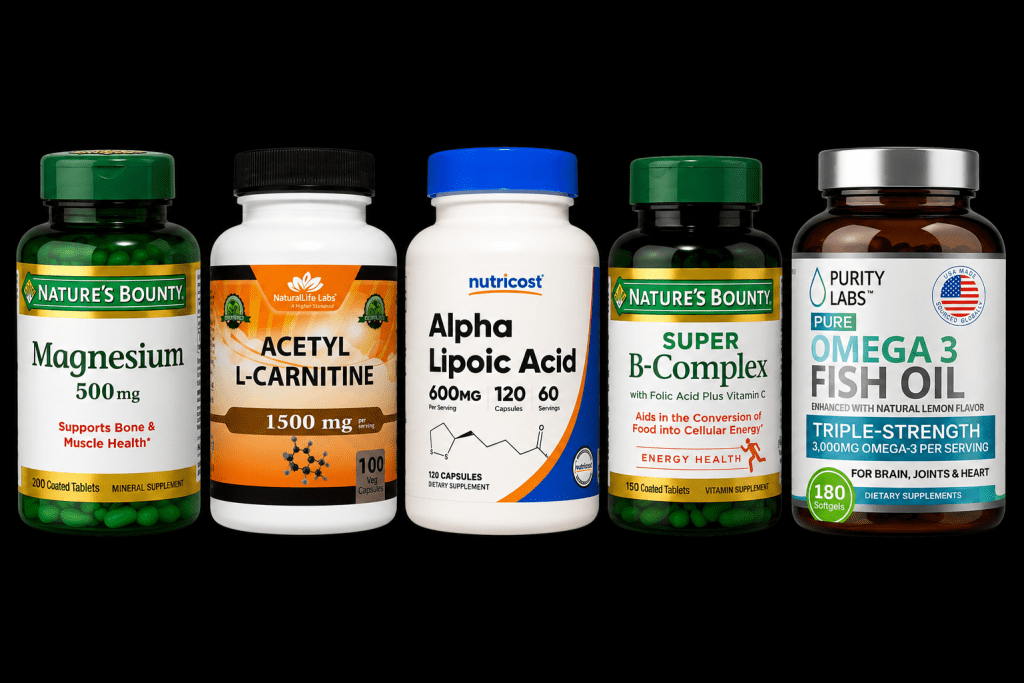
- Magnesium participates in over 300 enzymatic reactions in the body. For nerves it may help:
- improve nerve signal transmission
- reduce muscle cramping
- support normal muscle contraction
- decrease nerve excitability
Patients deficient in magnesium may especially benefit from replacement. One caution is that magnesium can cause diarrhea in some people, particularly magnesium oxide formulations.
- Acetyl-L-Carnitine
This is probably the supplement with the most interesting research regarding peripheral nerves. Studies have shown Acetyl-L-Carnitine may:
- support regeneration of injured peripheral nerves
- improve mitochondrial energy production
- reduce neuropathic pain
- encourage axonal growth in experimental models
Although studies involve diabetic neuropathy, chemotherapy neuropathy, and traumatic nerve injuries rather than facelift patients, many surgeons feel it is a reasonable supplement during recovery because of its excellent safety profile.
- Alpha Lipoic Acid is one of the body’s strongest naturally occurring antioxidants.
- Potential benefits include:
- reducing oxidative stress around healing nerves
- improving nerve blood flow
- supporting regeneration
- reducing burning or tingling sensations
Most of the evidence comes from diabetic neuropathy research.
- Vitamin B Complex is essential for healthy nerve function.
Particularly important are:
- B1 (Thiamine) – nerve metabolism
- B6 (Pyridoxine) – neurotransmitter production (avoid excessive doses, as high chronic intake can itself damage nerves)
- B12 (Cobalamin) – myelin formation and nerve repair
- Folate – DNA synthesis and cellular repair
Patients who are deficient in B12 often experience numbness and weakness, making adequate intake important during healing.
- Omega-3 fatty acids (fish oil).
- There is experimental evidence that omega-3s may promote axonal regeneration and reduce inflammation after nerve injury.
- Human evidence for postoperative facial nerve recovery is limited, but it is biologically plausible and has a good overall safety profile for most people.
- The caveat for cosmetic surgery is that I would not start fish oil immediately after surgery because of its potential, albeit small, effect on bleeding. I typically suggest waiting until the immediate postoperative bleeding risk has passed (often 2–3 weeks, depending on the individual case).
Other Things That May Help Recovery
From a surgeon’s perspective, supplements are only a small part of recovery. The biggest contributors include:
- Patience
- Facial nerve recovery is measured in months, not days.
- Most neuropraxias improve gradually over:
6 weeks
3 months
6 months
Some continue improving for a year.
Good Nutrition
A poor diet can delay healing.
Nerves require:
- adequate protein
- vitamin C
- zinc
- healthy fats
- hydration
Avoid Smoking
- Nicotine decreases blood flow to healing tissues and may impair recovery.
Control Diabetes
- Elevated blood sugar slows nerve healing dramatically.
Physical Therapy
Once your surgeon feels it is appropriate, gentle facial exercises may help prevent stiffness and assist recovery. Aggressive exercise too early is usually not recommended.
Stress Reduction
High stress increases muscle tension and often makes facial asymmetry appear worse.
What Else is Available but without strict scientific scrutiny
Patients frequently ask about electrical stimulation devices, lasers, red light therapy, hyperbaric oxygen and stem cells.
My Personal Recommendations to Patients
When I see a patient with temporary facial nerve weakness after surgery, I emphasize several important points:
- Most facial nerve weakness after facelift is temporary.
- Improvement is often slow but steady.
- Good nutrition and hydration matter.
- Consider supplements such as magnesium, Acetyl-L-carnitine, alpha lipoic acid, and a balanced B-complex after discussing them with your physician, especially if you have other medical conditions or take medications.
- Stay optimistic—nature does an amazing job of healing.

Joe Niamtu, III DMD
About the author
Joe Niamtu, III DMD is a double boarded certified cosmetic facial surgeon with a passion for his profession and an educator and innovator with Deep Plane Face lilft. He is considered a key opinion leader by numerous specialties and is a surgeon, author and teacher. He has authored 7 textbooks, contributed 34 chapters in other textbooks and has published hundreds of articles on cosmetic surgery. He has lectured on six continents and has taught an annual live cosmetic facial surgery course in Richmond, Virginia for the past 24 years: teaching surgeons from all over the world. Dr. Niamtu is well known for his intra-specialty participation and is a frequent speaker at multispecialty cosmetic surgery meetings. He has won “Best Cosmetic Surgeon” 39 times in Virginia. Dr. Niamtu is married to April Niamtu and has two special needs children.